Morning Workflow That Doesn't Slow You Down
Small tweaks to your morning brew so it fits the routine instead of fighting it.
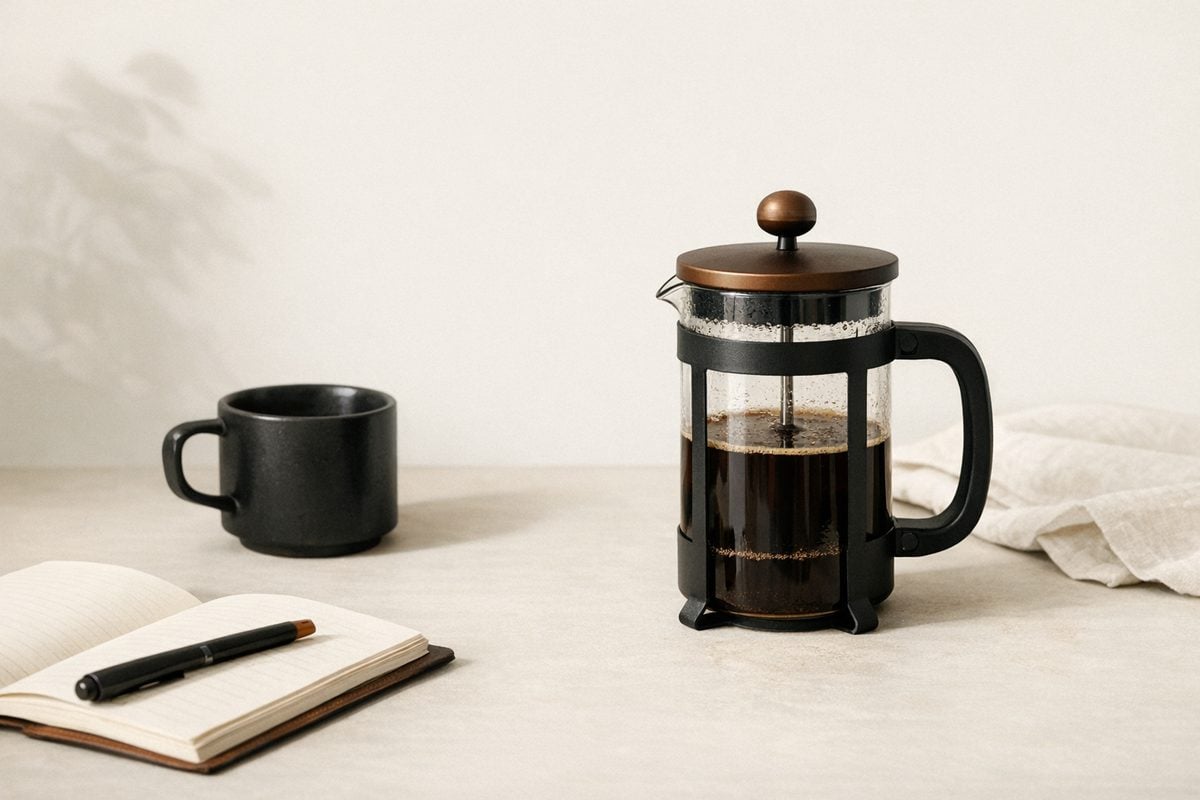
A good morning coffee routine should fit into your day without taking it over. The goal is not to turn coffee into a project. It is to make one good cup in a way that feels steady, quick, and easy to repeat.
For most people, the problem is not coffee itself. It is friction. Too many steps. Too many decisions. Too much cleanup before the day has even started.
What it is
A morning workflow that does not slow you down is built around reducing effort, not reducing care. You still make coffee with intention. You just stop asking your early-morning self to do unnecessary work.
That usually means three things:
- Fewer decisions
- Fewer pieces of gear
- A repeatable order of steps
A strong morning coffee routine is not about chasing variety every day. It is about knowing what works, then making that process easy to follow half-awake.
In practice, this can look simple:
- Set out what you need the night before.
- Use the same coffee and dose for a few days at a time.
- Keep your brew method consistent.
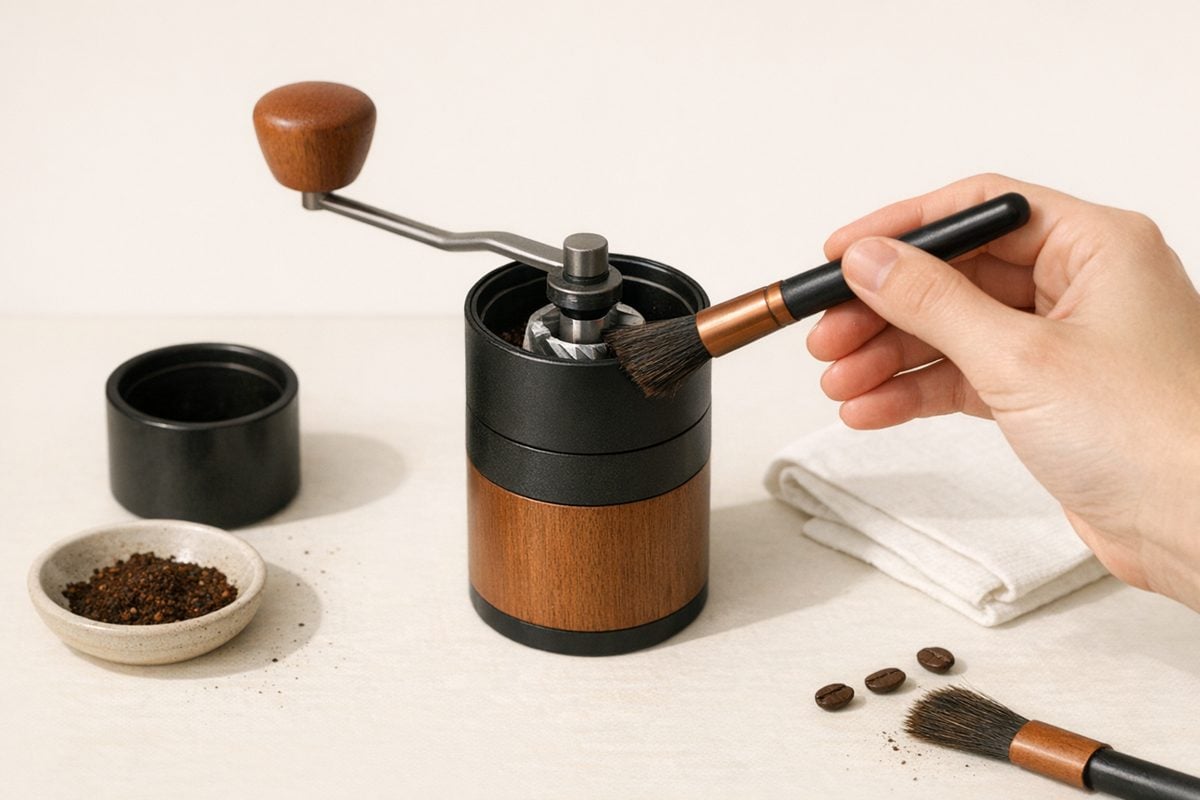
- Clean as you go, not all at once later.
This is how you build a fast morning coffee habit without making the cup feel rushed.
Why most morning coffee routines feel slow
Most slow mornings come from tiny delays that stack up.
You cannot find filters. The grinder is still full of yesterday's grounds. You change beans and need to guess the grind. The kettle takes longer because you forgot to fill it. Then cleanup sits in the sink and makes tomorrow feel heavier too.
None of these are major problems on their own. Together, they turn coffee into a small source of drag.
A better coffee workflow removes those points of friction. Not with a full reset. Just with a few useful constraints.
- Keep one brew method for weekdays.
- Store coffee, filters, scale, and mug in one place.
- Pre-fill the kettle or brewer when possible.
- Use a default recipe you know by memory.
This is less romantic than a slow weekend brew. It is also more realistic on a Tuesday.
Who it's for
This approach is for people who want coffee every morning but do not want the morning to revolve around coffee.
It works well if:
- You have limited time before work
- You are managing kids, commutes, or shared space
- You like good coffee but do not want daily experimentation
- You want your ritual to feel calm, not demanding
It also works if you tend to skip coffee on busy mornings because the process feels too long. A streamlined morning brew is often the difference between consistency and giving up.
There is still room for enjoyment here. You can care about taste, texture, and the feel of the routine. You are just building around the reality of your schedule.
Who it's not for
This is probably not for you if morning coffee is your main hobby time.
If you enjoy dialing in a new bag each day, changing brew methods often, or spending twenty quiet minutes at the counter, that is fine. There is nothing wrong with a slower ritual when you actually want one.
It is also not for people who think every minute saved matters more than the cup itself. If speed is the only goal, the routine can become so stripped down that it stops feeling enjoyable.
The point is balance. Not maximum efficiency. Not maximum ceremony.
How to streamline your morning brew without overhauling everything
You do not need a new setup. Most people just need less variation.
Start with your sequence. A simple order helps:
- Start the water first
- Grind while it heats
- Brew
- Rinse immediately
- Reset the space before leaving
That order matters because it reduces idle time and keeps cleanup from becoming a second task later.
Next, reduce decisions. Pick one weekday recipe and stay with it.
If you make pour-over, use the same ratio and mug every day for a week. If you use immersion, do the same. Familiarity is what makes a morning coffee routine feel light.
Then look at your environment. Coffee is easier when the setup supports the habit.
A few practical tweaks:
- Keep everything within one arm's reach
- Store fresh filters where you actually use them
- Leave enough counter space to work without moving other items
- Refill water and empty bins before bed
These are small changes. That is the point. Small changes are easier to keep.
A practical pick
One piece of gear that fits this topic well:
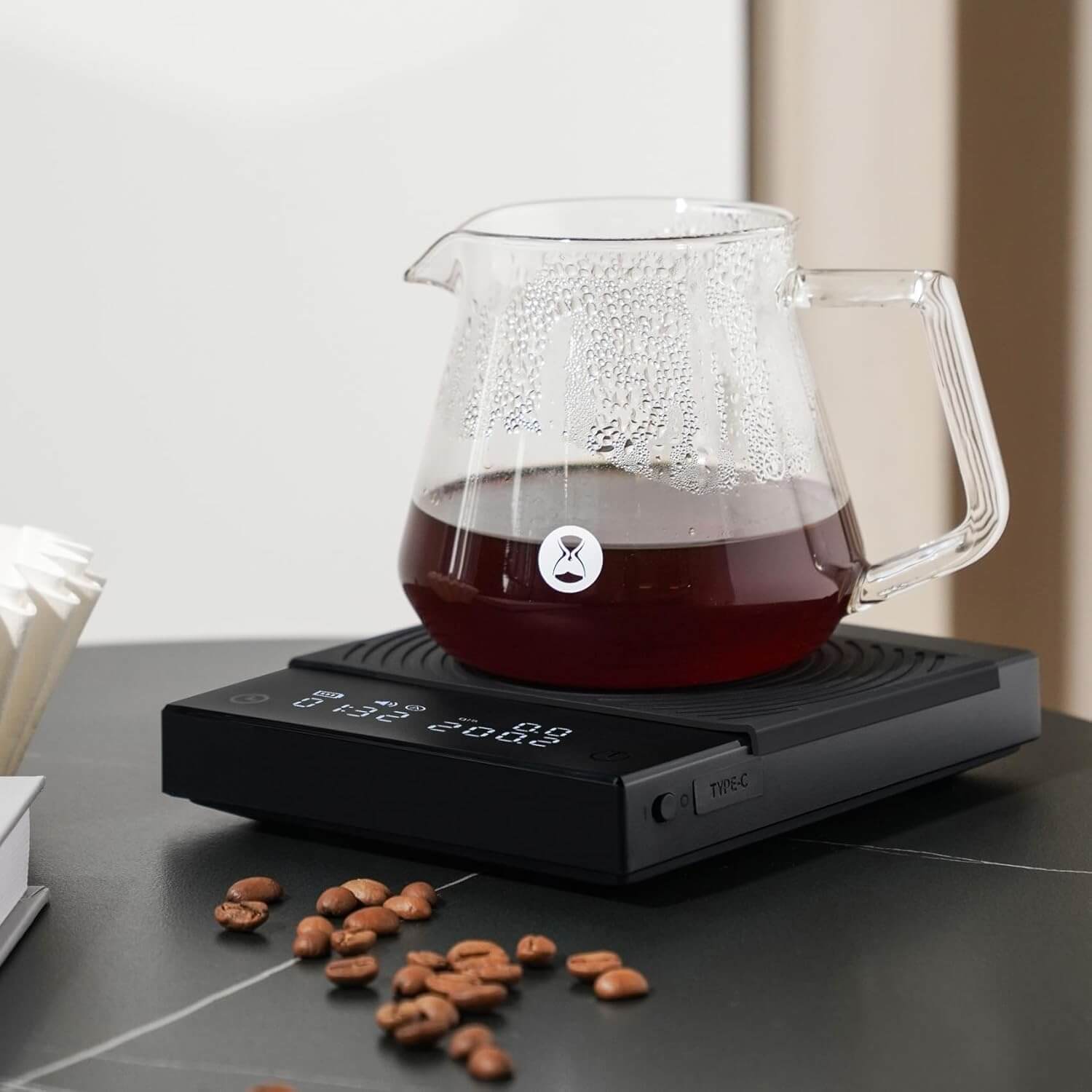
Timemore Black Mirror Scale
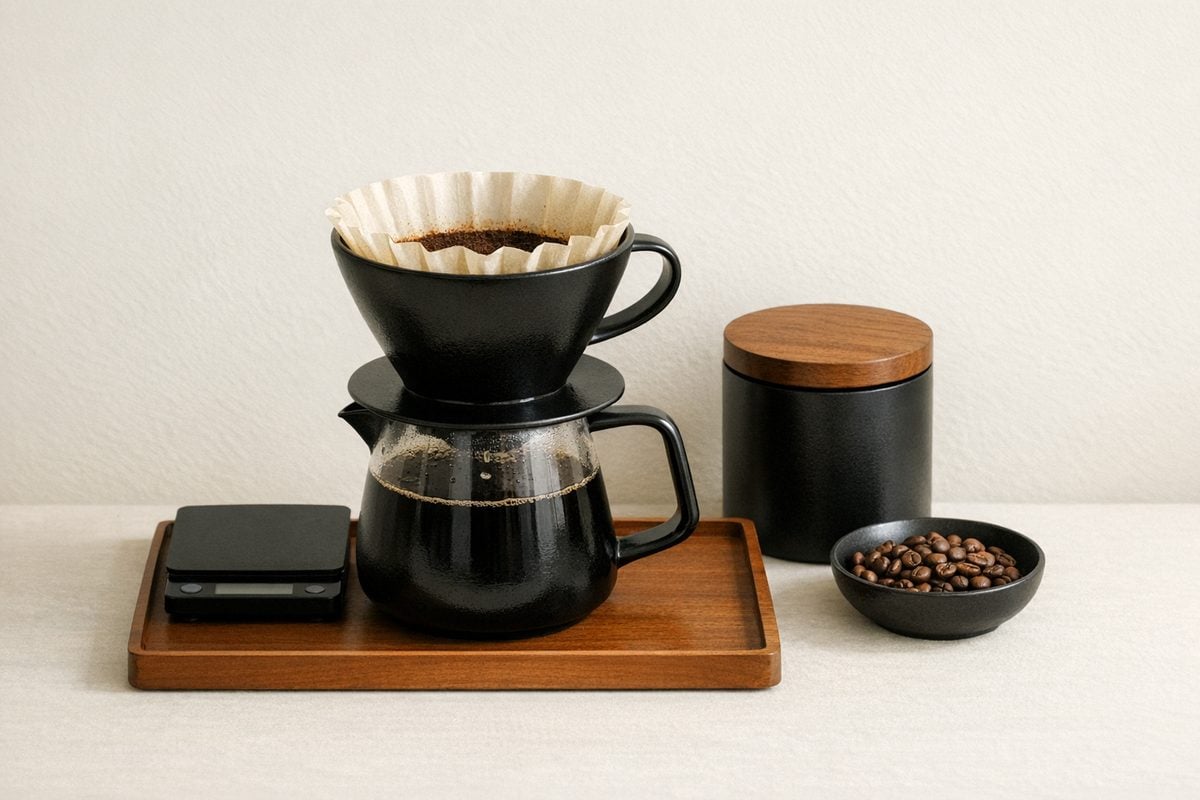
A compact scale with timer and 0.1g resolution that fits under most pour-over setups. Reliable for daily use.
Common mistakes
The most common mistake is trying to optimize too much, too fast.
People often add complexity in the name of quality. More tools. More variables. More steps. Then the routine becomes fragile. If one thing is off, the whole process feels inconvenient.
Another mistake is building a workflow for your ideal morning instead of your real one.
Your real morning may include low energy, limited time, and interruptions. Your setup should respect that. A good routine works even when you are distracted.
One more mistake is separating brewing from cleanup. That makes coffee feel longer than it is. If you rinse or reset one item at a time, the ritual ends cleanly.
When it makes sense
This kind of morning coffee routine makes sense when you want consistency more than novelty.
It is especially useful on weekdays, during busy seasons, or anytime your mornings need less resistance. You are not giving up quality. You are choosing a process that holds up under real conditions.
A slower coffee ritual still has its place. Weekends. Days off. Quiet mornings with more room. But your daily workflow should support your life, not compete with it.
That is the difference. Fit coffee into the morning. Do not make the morning serve the coffee.
A calm routine does not need many steps. Just the right ones, in the right order, done often enough to feel natural. This works because it asks less from you while still giving something back.