Filters That Actually Make a Difference
Paper vs metal vs cloth — when filter choice matters for your cup.
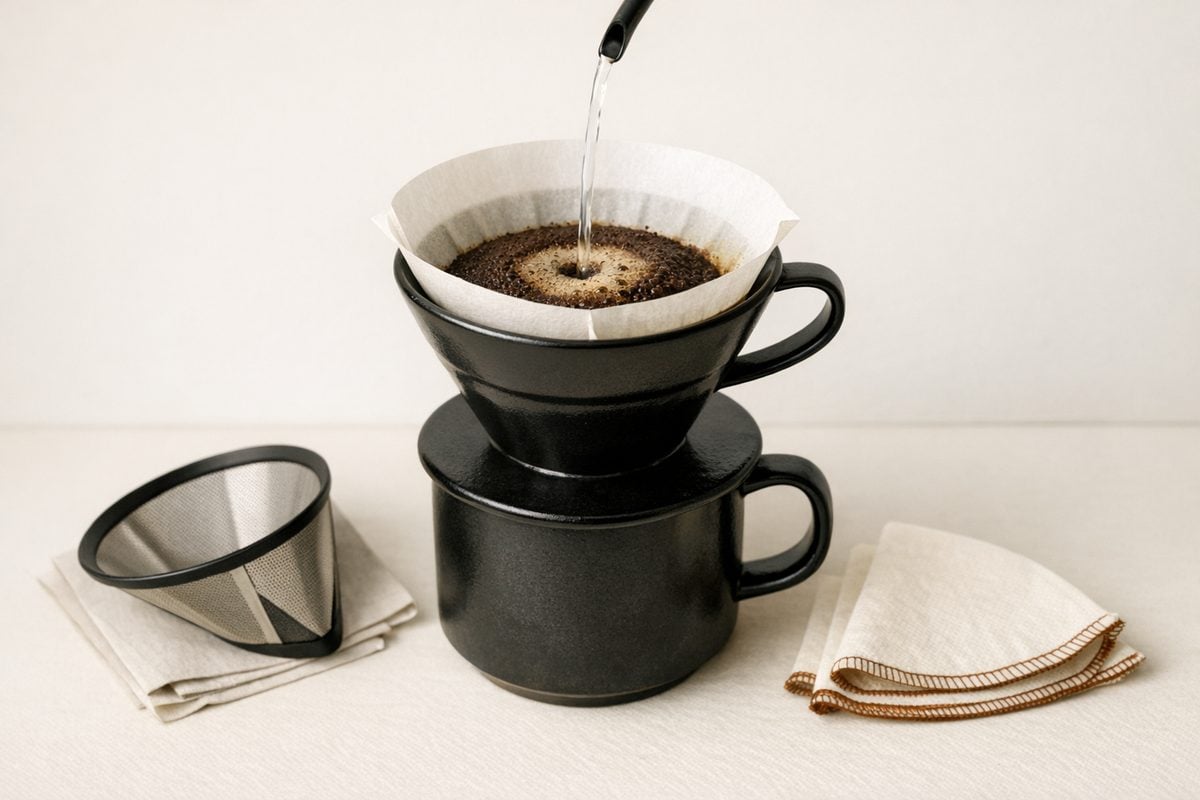
If you are comparing coffee filter paper vs metal, the real question is simple: when does filter choice actually change the cup. It does change it, and not in a vague, subjective way. Filter material affects body, clarity, sediment, and even how much oil makes it into the brew.
Most people do not need a complicated framework. You need to know what each filter lets through, what it holds back, and which tradeoff fits how you like to drink coffee.
What filter choice actually changes
A coffee filter does two jobs. It controls flow. It also controls what ends up in the cup.
Paper filters trap most fine particles and a large share of coffee oils. That usually gives you a cleaner cup, lighter body, and more distinct separation between flavors. Acidity tends to feel more precise. Floral, citrus, and tea-like coffees often benefit from this.
Metal filters let more oils and fines pass through. That usually gives you a heavier body, more texture, and a fuller mouthfeel. Flavors can feel broader and less sharply defined. You may also notice more sediment at the bottom of the cup.
A cloth coffee filter sits between the two. It holds back more fines than metal, but allows more oils through than paper. The result is often a cup with more body than paper and more clarity than metal.
This is why paper vs metal filter debates can feel endless. Both sides are noticing real differences. They are just prioritizing different parts of the cup.
The measurable differences
This is not only preference. There are practical, repeatable differences you can taste and see.
Paper filters
Pros:
- Clean cup
- Low sediment
- Better flavor separation
- Consistent results
- Very good for light roasts and delicate coffees
Cons:
- Less body
- Fewer oils in the cup
- Can taste flat if the coffee relies on texture
- Ongoing cost and waste
What usually happens in the cup:
- Less muddiness
- More clarity
- Shorter finish
- Cleaner aftertaste
Metal filters
Pros:
- More body
- More oils and texture
- Reusable
- Works well for coffees that taste good with weight and richness
Cons:
- More sediment
- Less clarity
- Can blur subtle notes
- More variation depending on grind and pouring style
What usually happens in the cup:
- Heavier mouthfeel
- Broader flavor impression
- More lingering finish
- Sometimes a slightly dusty or silty last sip
Cloth filters
Pros:
- Balanced texture and clarity
- Lower sediment than metal
- More body than paper
- Can produce a very rounded cup
Cons:
- More maintenance
- Can retain odors if not cleaned well
- Less convenient day to day
- Results depend on care and age of the cloth
What usually happens in the cup:
- Smooth body
- Good sweetness
- Moderate clarity
- Less sediment than metal, less sharpness than paper
When filter choice matters most
This is where people tend to overstate or understate the effect. Filter choice does not change everything. But in some situations, it matters a lot.
It matters more when the coffee is light roasted
Light roasts often have more delicate, high-toned flavors. Paper helps make those easier to notice. If you are buying coffees for origin character, acidity, florals, or layered fruit notes, paper usually shows more of that structure.
Metal can still work with light roast coffee, but the extra oils and fines may soften the contrast between notes.
It matters more when the coffee is processed in a distinctive way
Washed coffees often benefit from paper because clarity is part of the appeal. Natural and anaerobic coffees can go either way. Paper can keep them from feeling too heavy. Metal can make them feel richer and more intense.
It matters more in pour-over than people think
With pour-over, the filter is part of the brew method itself. It affects both drawdown and what passes into the cup. A switch from paper to metal is not a small accessory change. It often produces a clearly different brew.
It matters in immersion too, but a bit differently
In immersion brewers, filter choice changes the final texture more than the extraction pattern. The contact time is already set by steeping. So the biggest difference is usually how much fine material and oil ends up in the cup.
It matters less with darker roasts
Dark roasts already lean toward roast-driven flavors, lower clarity, and heavier impressions. Filter choice still changes texture, but the flavor difference may feel less dramatic than it does with lighter coffees.
Who paper filters are for
Paper works for you if you want to taste definition.
Choose paper if:
- You like clean, bright cups
- You drink light to medium roasts
- You care about clarity more than body
- You want easy cleanup and predictable results
- You brew pour-over often
This works especially well for:
- Single-origin coffees
- Washed coffees
- Coffees with floral, citrus, or tea-like notes
- Anyone trying to improve consistency
Who metal filters are for
Metal works for you if you value texture and weight.
Choose metal if:
- You like a fuller mouthfeel
- You do not mind some sediment
- You want to keep oils in the cup
- You prefer reusable gear
- You drink medium to dark roasts often
This works especially well for:
- Immersion brewing
- Chocolaty or nutty coffees
- People who want a richer cup without moving to espresso
- Anyone who dislikes the thinner feel of paper-filtered coffee
Who cloth filters are for
A cloth coffee filter makes sense if you want the middle ground and do not mind extra care.
Choose cloth if:
- You want more body than paper
- You still want a relatively clean cup
- You enjoy experimenting
- You are willing to wash and store the filter properly
Cloth is often overlooked because it is less convenient. But in the cup, it can be very compelling. Sweetness and texture often feel especially balanced.
Who these options are not for
Paper is not for you if mouthfeel is your priority. If you want a dense, rich cup every time, paper may feel too lean.
Metal is not for you if clarity matters most. If you are chasing subtle notes, metal can get in the way.
Cloth is not for you if you want low maintenance. It asks for more care than either paper or metal, and neglect shows up quickly in the taste.
Common mistakes when comparing filters
Changing too many variables at once
If you switch filter type and also change grind size, dose, pouring pattern, or brew time, the comparison becomes muddy. Change one thing at a time.
Ignoring grind adjustments
A metal filter often benefits from a slightly coarser grind to keep sediment under control. Paper can often handle a bit finer grind while staying clean in the cup.
Judging from one coffee only
When filter choice matters is partly about the coffee itself. A heavy, chocolate-forward blend may not reveal much with paper. A washed Ethiopian often will.
Confusing strength with body
A stronger brew is not always a fuller brew. Metal can feel heavier even at the same brew strength because more oils and fine particles are present.
A practical pick
If you’re in the market for something that does the job without overbuying, this is one option we’d consider.
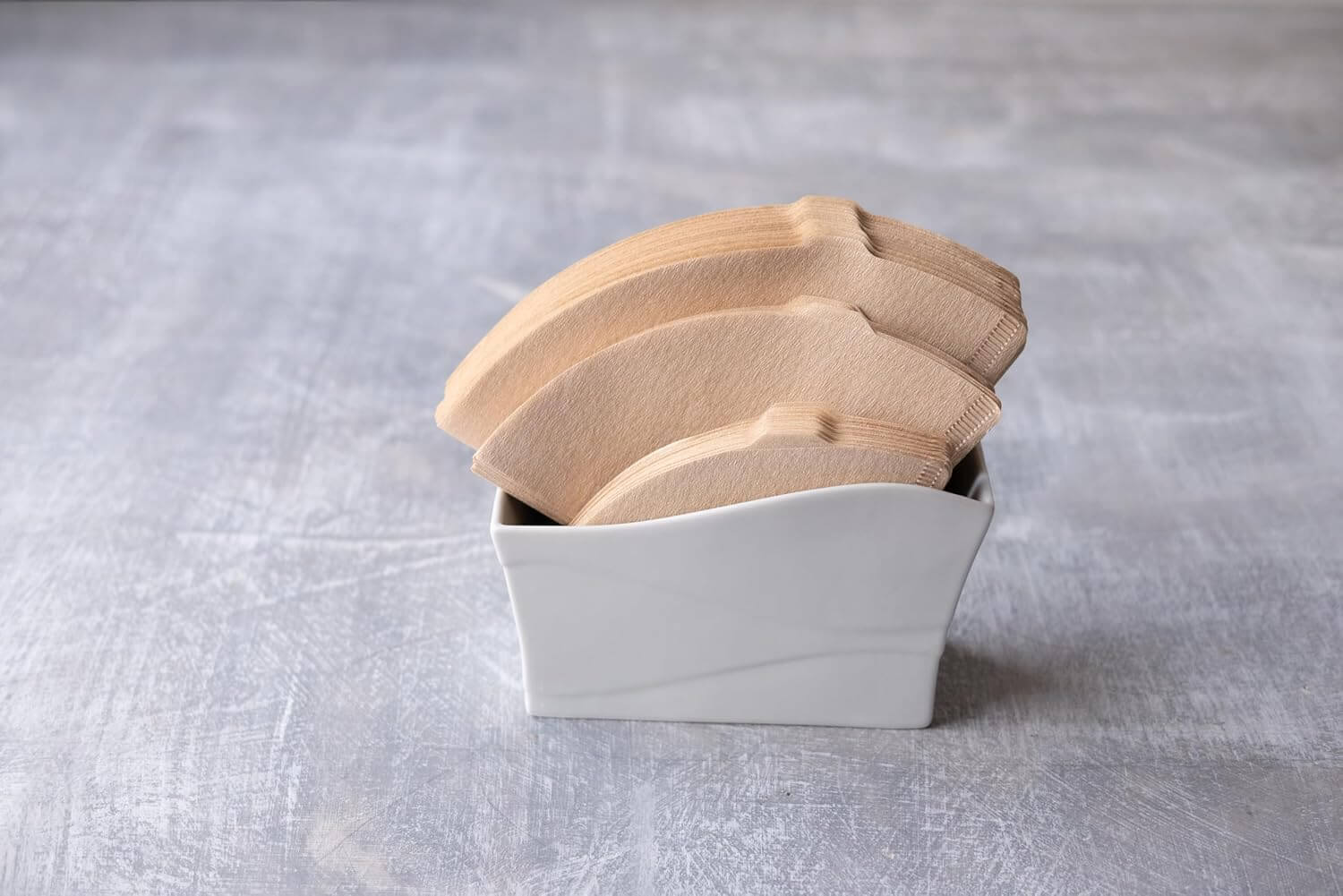
Hario V60 Paper Filters
Bleached or unbleached paper filters for V60. Clean cup, predictable flow, and no need to season.
The bottom line
For most people deciding on coffee filter paper vs metal, the simplest answer is this: choose paper for clarity and metal for body. Choose cloth if you want the middle path and are willing to maintain it.
If you brew pour-over and care about tasting distinct notes, start with paper. If you brew immersion or prefer a richer, heavier cup, metal makes sense. If you want balance more than either extreme, cloth is worth your attention.
Filter choice is not everything. But it is one of the few gear decisions that changes the cup in a direct, repeatable way. Pick the tradeoff you actually want, then keep the rest of your brewing consistent.