When a Hand Grinder Is Enough
You don't always need an electric grinder. Here's when a good hand grinder fits.
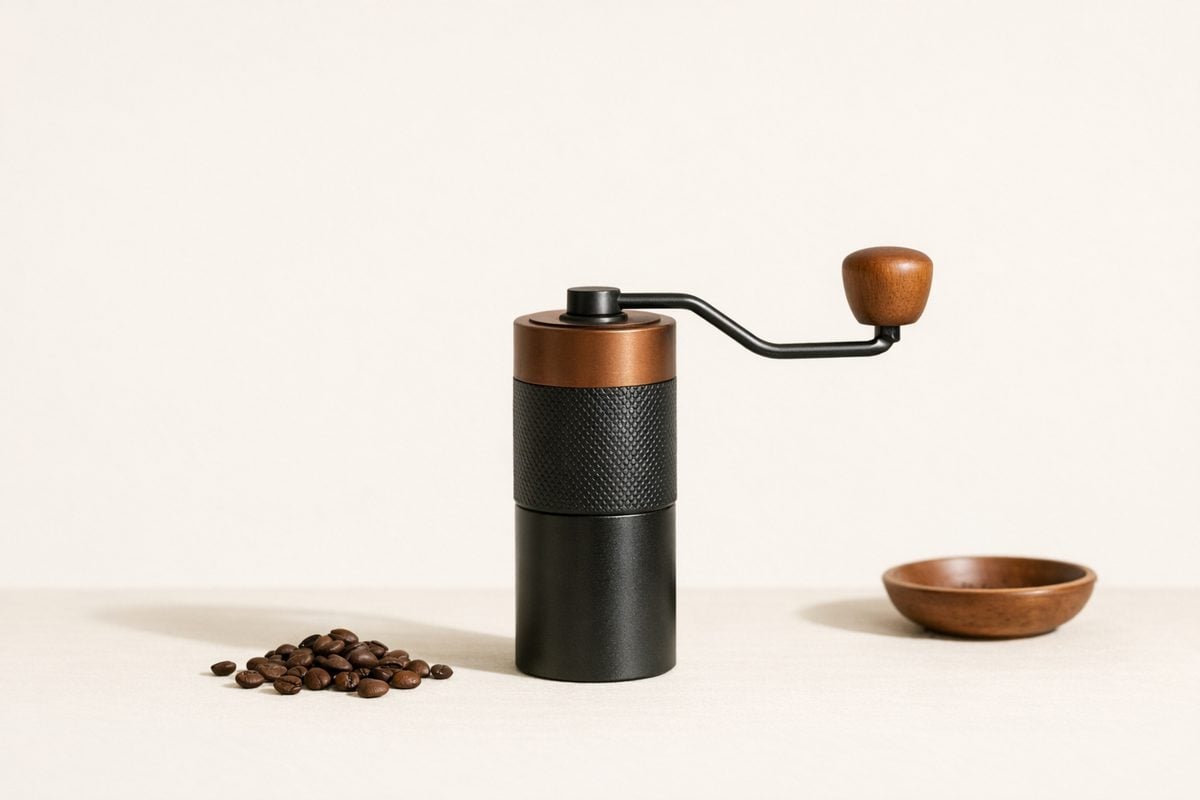
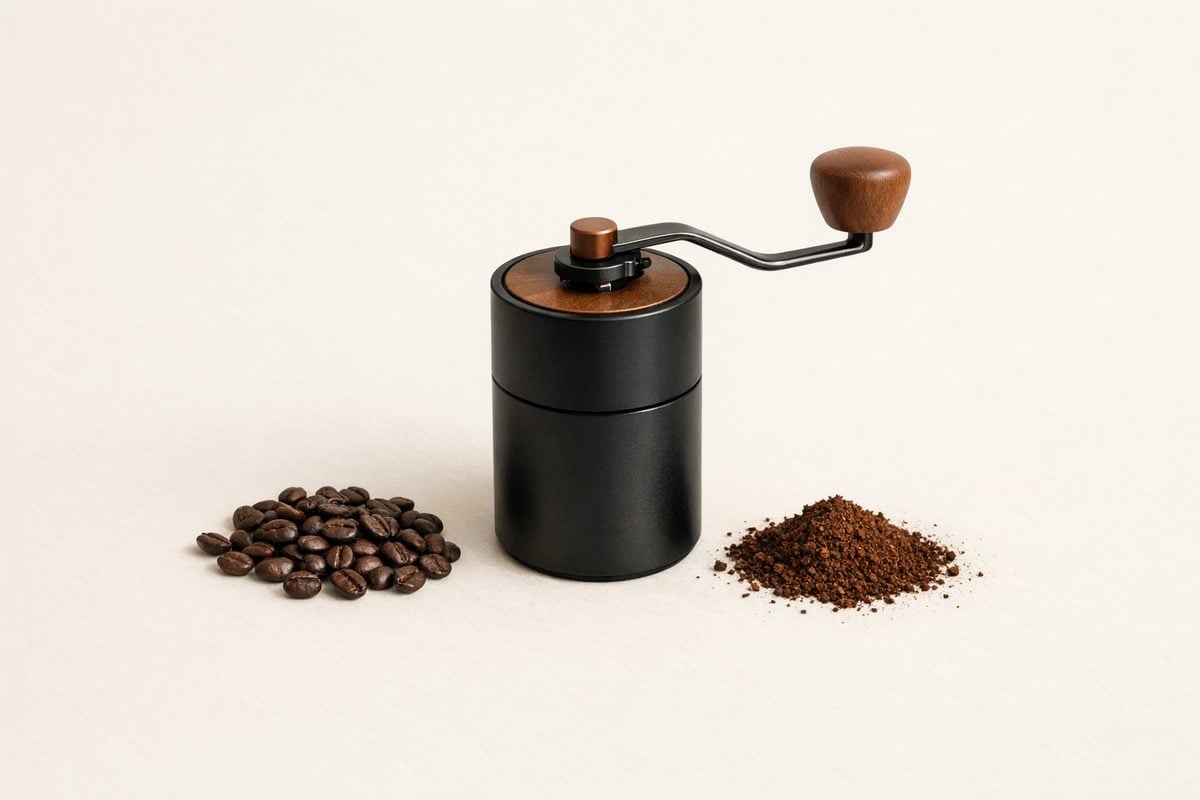
The hand grinder vs electric question usually gets framed as convenience versus compromise. That misses the point. For many people, a hand grinder is enough because it matches the way they actually make coffee: small batches, simple routines, and a tighter budget.
A manual grinder is not automatically a downgrade. It is a different tool for a different kind of use.
What “enough” actually means
A hand grinder is enough when it gives you the grind quality, speed, and effort level that fit your routine. Not someone else’s. Yours.
That usually comes down to three things.
First, volume. If you brew one or two cups at a time, a hand grinder often makes perfect sense. Grinding 15 to 30 grams by hand is reasonable for most people. Grinding enough for a full batch every morning is where the tradeoff starts to show.
Second, portability. A hand grinder is easy to pack, easy to store, and does not need power. That matters if you travel, move between home and office, or just want a setup that stays simple.
Third, budget. At lower prices, hand grinders often offer better burr quality than electric grinders in the same range. You give up speed. You do not always give up cup quality.
So when people ask whether a hand grinder is enough, the better question is this: enough for what?
When a hand grinder makes sense
A hand grinder works well if your coffee habits are consistent and modest in scale.
It makes sense when you:
- Brew one cup at a time
- Make coffee for one or two people
- Use methods like pour over, AeroPress, or French press
- Want better grind quality without paying for a good electric grinder
- Need something small for travel or limited counter space
- Do not mind one extra manual step
This is where the hand grinder vs electric decision becomes clearer. If your main priority is decent grind quality in a compact, affordable tool, hand grinding is often the smarter choice.
It also suits people who want more control without adding another appliance. A manual coffee grinder has fewer parts, no motor, and usually a smaller footprint. That can make the whole setup feel calmer and easier to live with.
Who it’s for
A hand grinder is a strong fit for a specific kind of coffee drinker.
The single-cup brewer
If you make one morning cup, or one cup at a time throughout the day, hand grinding is rarely a burden. The volume is low enough that the process stays manageable.
The budget-conscious upgrader
If you are moving on from pre-ground coffee or a low-quality blade grinder, a hand grinder can be a practical step up. In many cases, your money goes further on burr quality and grind consistency than it would with a cheap electric model.
The traveler or minimalist
A hand grinder earns its place when portability matters. It is easier to take on trips, easier to tuck into a cabinet, and easier to use anywhere there is coffee and hot water.
The slower-routine person
Some people do not need maximum speed. They just need a tool that works well. If a minute of manual effort does not bother you, a hand grinder can fit naturally into the process.
Who it’s not for
This is where honesty matters. A hand grinder is not right for everyone.
It is probably not the right choice if you:
- Brew large batches often
- Make coffee for several people every morning
- Need speed above all else
- Have limited hand strength or wrist comfort
- Use espresso and want fast, repeatable grinding with less effort
- Know you will resent the manual step after a week
The biggest issue is not quality. It is repetition. A manual coffee grinder can produce great grounds, but it still asks for time and effort every single brew. If that friction makes you skip fresh grinding, then electric is the better tool.
This is also true if your household has high coffee volume. One or two doses by hand is one thing. Multiple back-to-back doses is another.
Hand grinder vs electric: the real tradeoff
The simple version is this:
A hand grinder usually gives you better value. An electric grinder usually gives you better convenience.
That does not mean electric is always better. It means the choice depends on what you need most.
Where hand grinders do well
- Better burr quality for the money
- Small footprint
- No need for electricity
- Good for travel
- Quiet operation
- Strong fit for low-volume brewing
Where electric grinders do well
- Faster grinding
- Easier for larger doses
- Better for busy mornings
- More practical for shared households
- Less physical effort
- Often easier for frequent espresso use
If you are comparing hand grinder vs electric and only thinking about speed, electric wins easily. If you are thinking about value, portability, and low-volume use, hand grinders become much more compelling.
Common mistake: buying for the future instead of the present
A lot of people buy an electric grinder because it feels like the more “serious” option. But if your real use is one pour over in the morning and maybe an AeroPress later, that extra capacity may never matter.
The opposite mistake happens too. People buy a hand grinder because it is cheaper, then realize they are grinding for three people every day and start avoiding the process.
This works better when you match the grinder to your current routine, not an imagined one.
Ask a few plain questions:
- How many grams do you grind at a time
- How many times a day do you brew
- Is counter space limited
- Do you travel with coffee gear
- Do you care more about speed or value
That is usually enough to tell you when to use hand grinder and when to skip it.
A practical pick
If you’re in the market for something that does the job without overbuying, this is one option worth considering.
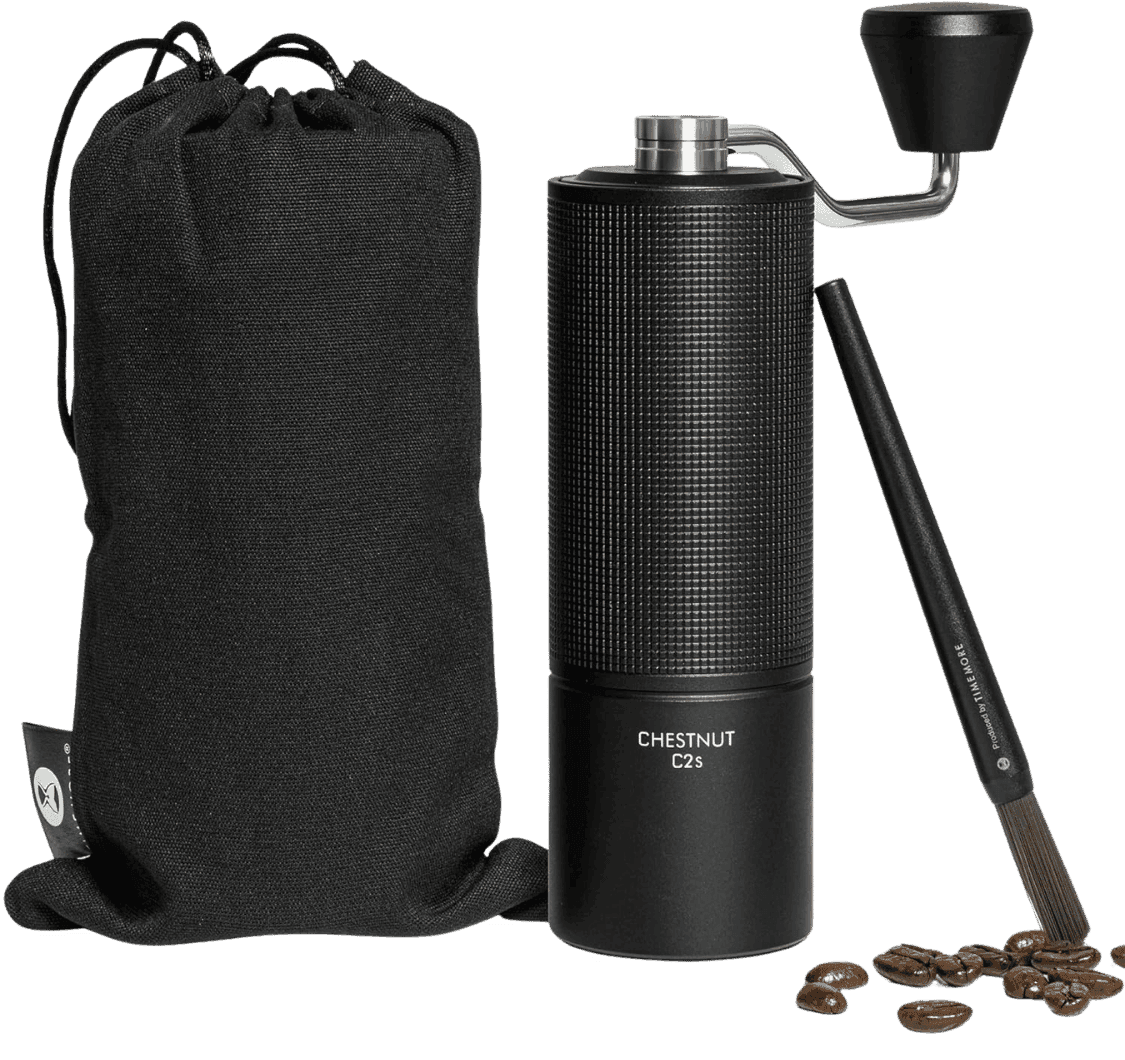
Timemore Chestnut C2
A hand grinder that punches above its price. Good for single cups, travel, or when you don't want to plug in.
The bottom line
A hand grinder is enough when your brewing volume is low, your space is limited, or your budget matters more than speed. In those cases, it is not a compromise. It is the right tool.
If you brew one or two cups at a time and want fresh coffee without adding another appliance, you can skip electric without missing much. If you brew a lot, rush every morning, or need convenience to keep the habit going, electric starts to make more sense.
The right grinder is the one you will actually use. That is the whole standard.