Storing Coffee So It Stays Fresh
Simple rules for keeping beans in good shape without overthinking it.
If you want to know how to store coffee beans, the answer is simpler than most advice makes it sound. Good storage is mostly about limiting air, heat, light, and moisture so your coffee bean freshness lasts as long as it reasonably can.
Fresh coffee is fragile, but it does not need a lab setup. For most people, storing whole bean coffee well comes down to a few habits that are easy to keep.
What actually matters
Coffee loses flavor as it reacts with oxygen. Heat speeds that up. Light does not help. Moisture is a bigger problem than many people realize, because it can affect both flavor and the condition of the beans.
That leads to a short list of rules.
Keep beans in a sealed container.
Keep that container in a cool, dry, dark place.
Open it as little as possible.
Buy an amount you can finish in a reasonable window.
That is the core of how to store coffee beans. Everything else is a smaller detail.
Use the right container
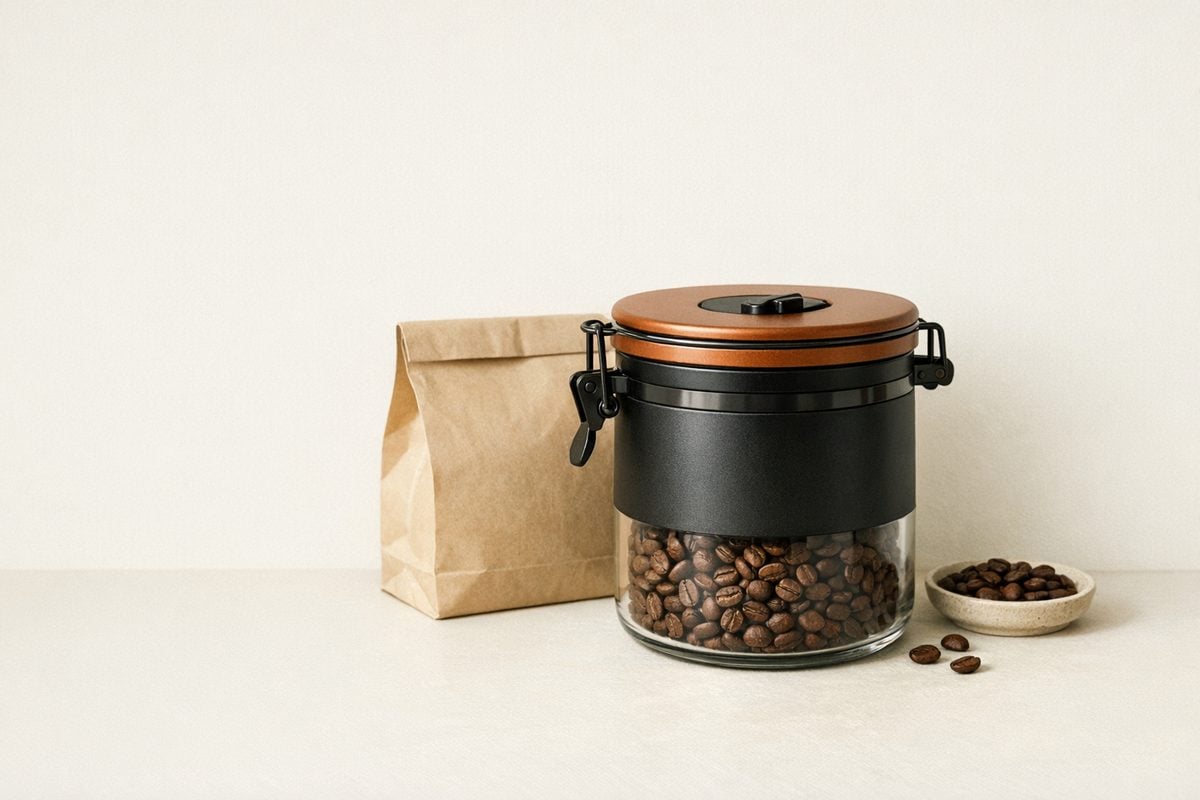
The ideal container is opaque, airtight, and clean. It does not need to be expensive. It just needs to reduce contact with air and block light.
Good options:
- A well-sealing ceramic or metal container
- An opaque pantry canister with a tight lid
- The original coffee bag, if it is resealable and has decent barrier material
A few notes matter here.
If the bag the coffee came in is thick, resealable, and designed for coffee, it is often good enough. Many specialty coffee bags are better than the random glass jar people move beans into.
Glass jars are common, but clear glass leaves beans exposed to light. If you use one, keep it inside a closed cabinet, not on the counter.
The container should also fit the amount of coffee you have. A huge canister half full of beans leaves more air inside. More air means faster staling.
Air is the main enemy
Oxygen is what gradually flattens flavor. You will not stop that completely, but you can slow it down.
The practical move is simple. Store coffee in a container with as little extra air space as possible, and avoid opening it over and over. If you buy a larger bag, splitting it into smaller portions can help. Keep one portion in daily use and leave the rest sealed until needed.
This works better than constantly handling one large container. It also helps keep coffee fresh without turning storage into a project.
There is no need to obsess over vacuum canisters if your normal setup is sound. They can help at the margins, but they are not the first thing that matters.
Heat and light matter more than people think
Coffee should not live beside the oven, on top of the espresso machine, or in a sunny corner of the kitchen. Warmth speeds up flavor loss. Direct light adds stress for no benefit.
A cupboard or pantry is usually the right place. The goal is stable room temperature, away from hot appliances and direct sun.
This sounds basic because it is. Many freshness problems come from leaving beans out where they look nice instead of where they keep better.
Moisture is a reason to avoid the fridge
A refrigerator seems cool, so it seems logical. In practice, it is usually not a good place for coffee.
Fridges are humid. They also expose coffee to shifting temperatures and surrounding food odors. Every time a container comes in and out, condensation becomes a risk. That is not how to keep coffee fresh.
For day-to-day storage, room temperature in a dry, dark cabinet is usually better than the fridge.
What about the freezer
Freezing can make sense, but only in a specific case. It is useful when you have more coffee than you will use soon and want to hold part of it for later.
If you freeze coffee:
- Freeze it in small, well-sealed portions
- Keep each portion unopened until you need it
- Let it return fully to room temperature before opening
What does not work well is repeatedly taking the same container in and out of the freezer. That creates temperature swings and moisture exposure.
For most people buying a modest amount of whole beans, the freezer is optional, not necessary.
Who this is for
This approach is for people who buy whole beans and want solid freshness without adding complexity.
It makes sense if you:
- Brew at home a few times a week or every day
- Buy coffee in sensible amounts
- Want better flavor from simple habits
- Prefer a low-maintenance routine over gear-heavy solutions
If that sounds like you, a sealed container in a cool cupboard does most of the work.
Who this is not for
This will feel too simple if you are trying to preserve rare coffee for a long stretch or control every variable.
In that case, you may care about single-dose freezing, vacuum sealing, or more precise storage methods. Those approaches have a place. They are just not necessary for most households.
If your goal is everyday coffee bean freshness, the basics matter more than specialty storage systems.
A practical pick
One piece of gear that fits this topic well:
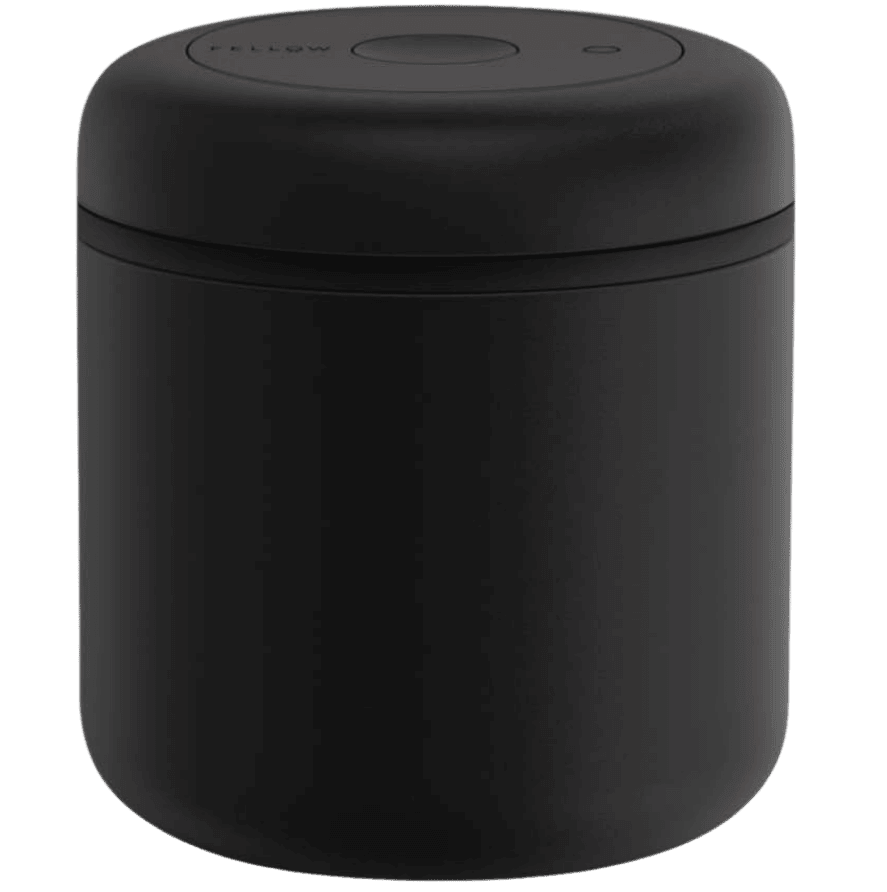
Fellow Atmos Coffee Canister
One-way valve pushes air out so beans stay fresher longer. Simple, effective, and doesn't take up much space.
Common mistakes
A few habits shorten freshness faster than people expect.
Leaving beans in direct light
Open shelving and clear jars on the counter look tidy, but they are not ideal for storing whole bean coffee.
Buying too much at once
Even perfect storage cannot make old coffee taste fresh. Buying a smaller amount more often is usually smarter than trying to preserve a giant bag for months.
Grinding too far ahead
Ground coffee goes stale faster than whole beans. If freshness matters, store beans whole and grind close to brewing.
Storing coffee near heat
The cabinet above the oven is convenient, but not a good storage spot.
Using the fridge for daily storage
Cool is not the same as stable and dry. Refrigerators usually create more problems than they solve.
The bottom line
If you are wondering how to store coffee beans, the answer is not complicated. Use an airtight, preferably opaque container. Keep it in a cool, dark, dry place. Buy only what you will use in a few weeks, and keep beans whole until you grind them.
That is enough for most people. Good coffee storage should support the ritual, not take it over.