Pre-Ground vs Whole Bean: When Each Makes Sense
Honest take on when pre-ground is fine and when it's worth grinding yourself.
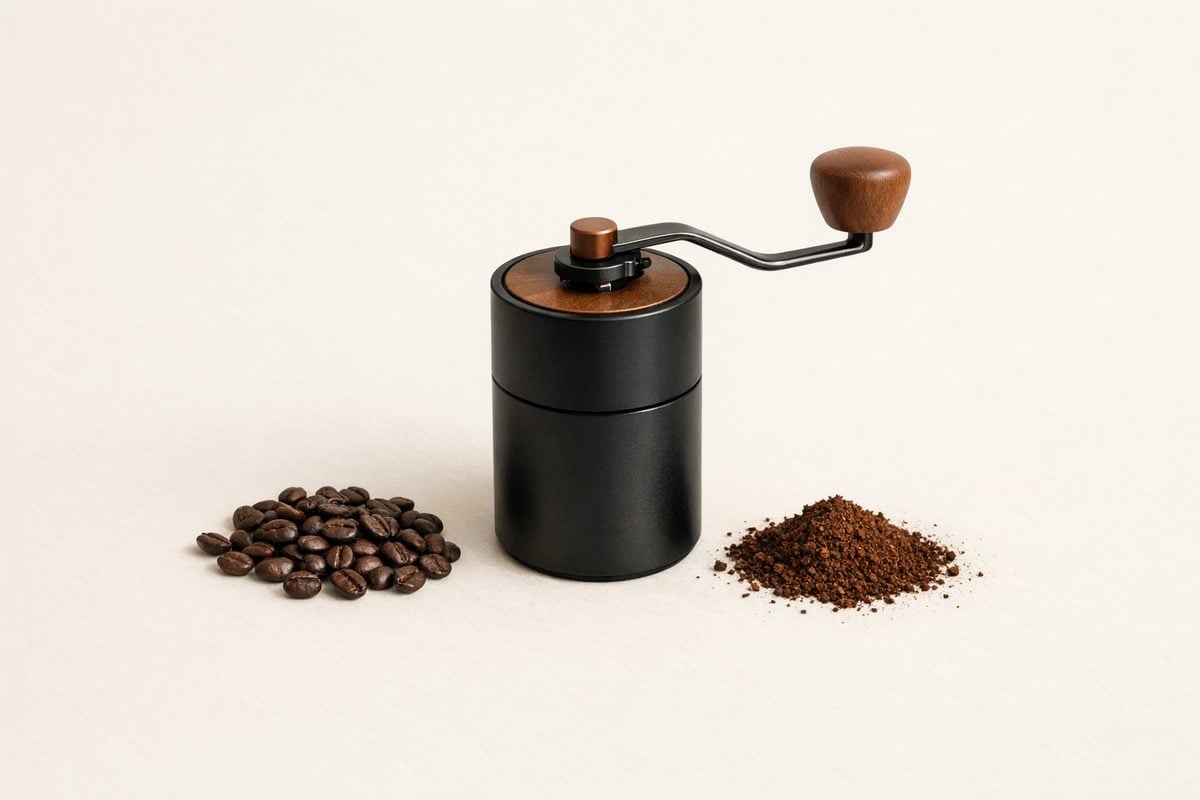
Pre ground vs whole bean coffee is not a purity test. It is a tradeoff between convenience and control. In many kitchens, pre-ground is completely reasonable. In some setups, whole bean is clearly worth it.
What actually changes
The main difference is freshness after grinding. Once coffee is ground, it loses aroma and flavor faster because more surface area is exposed to air. Whole beans hold onto those compounds longer.
That does not mean pre-ground coffee is bad by default. It means the margin for error is smaller. If the coffee is fresh enough and the grind matches your brewer, you can still get a good cup.
Grinding your own coffee gives you two practical advantages.
First, you get more flavor clarity. Notes are easier to taste. The cup tends to feel more lively and structured.
Second, you control grind size. That matters because grind affects extraction. Too fine, and coffee can taste harsh or muddy. Too coarse, and it can taste thin or sour. Different brewers need different grind sizes, so one universal bag of pre-ground coffee is always a compromise.
When pre-ground makes sense
Pre-ground works when convenience matters more than fine control.
It makes sense if you:
- brew with one simple method and rarely change it
- want less equipment on the counter
- make coffee occasionally, not daily
- need a fast and low-friction routine
- use drip coffee makers that are fairly forgiving
- go through coffee quickly enough that staleness is less of an issue
This is also when to use pre ground without overthinking it: shared offices, guest setups, travel apartments, vacation rentals, or households where nobody wants to measure, adjust, and dial in.
A good pre-ground coffee is often better than stale whole beans plus a poor grinder. That point gets missed. The grinder matters. Cheap grinders can create uneven particles, which leads to uneven extraction and inconsistent cups.
When whole bean is worth it
Whole bean is worth it when you care about getting more from the same coffee.
It makes the biggest difference if you:
- brew espresso
- use pour over and want consistency
- switch between brew methods
- buy better coffee and want to taste the details
- do not finish coffee very quickly
- are willing to add one more step to your routine
Espresso is the clearest case. It is sensitive to grind size in a way that most drip brewers are not. For espresso, pre-ground is rarely ideal unless it was ground specifically for your machine and used very soon after.
Pour over is the next strong case. Small grind changes can help balance sweetness, acidity, and body. If you like to adjust your cup, whole bean gives you room to do that.
For automatic drip, the answer is less strict. Whole bean can still improve flavor, but the jump is not always dramatic enough to justify a grinder for every person.
Who pre-ground is for
Pre-ground is for people who want coffee to be easy.
It suits you if your goal is a solid, repeatable cup with minimal effort. It also suits you if your budget is limited. A grinder adds cost, takes up space, and introduces one more variable.
This choice is especially practical for:
- batch brewing in the morning
- households with mixed interest levels
- backup coffee for busy weeks
- decaf drinkers who brew less often
- anyone who values convenience over optimization
There is no failure in choosing simplicity. If your coffee routine works, it works.
Who whole bean is for
Whole bean is for people who want more control and are willing to use it.
It suits you if you notice flavor differences, enjoy dialing in a brew, or feel frustrated when a coffee tastes flat and there is nothing to adjust. It also makes sense if you buy from roasters that print roast dates and offer fresher coffee than supermarket shelves usually do.
If you keep asking whether whole bean worth it, the answer is usually yes when you care about flavor enough to notice small changes and repeat them.
Who a grinder is not for
A grinder is not automatically the right next purchase.
It may not make sense if:
- you are happy with your current coffee
- you brew very inconsistently
- you buy coffee in large bags that sit for weeks
- you want fewer steps, not more
- your budget would force you into a very poor grinder
This last point matters. A bad grinder can be noisy, slow, static-heavy, and inconsistent. That can turn coffee into friction. If the choice is between good pre-ground coffee and a frustrating cheap grinder, pre-ground may be the better decision.
A practical pick
If you’re in the market for something that does the job without overbuying, this is one option worth considering.
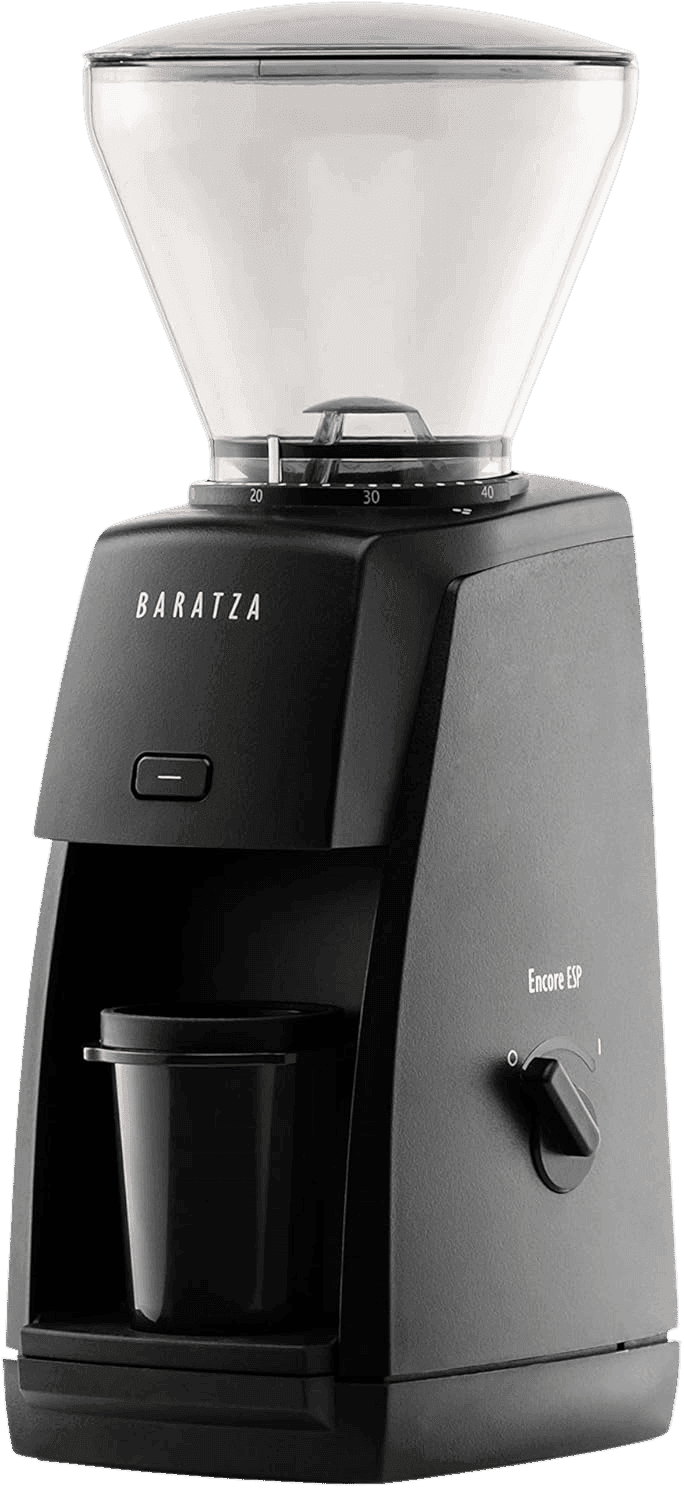
Baratza Encore
The least expensive burr grinder that produces consistent grounds worth using. No frills, good for filter and immersion.
Common mistakes
One common mistake is treating whole bean as universally superior. It is not. Freshness, storage, grinder quality, and brew method all matter.
Another is buying pre-ground without matching it to the brewer. French press, drip, pour over, moka pot, and espresso all need different grind sizes. If the grind is wrong, the result suffers even if the coffee itself is good.
A third mistake is assuming convenience and quality cannot coexist. They can. If you use pre-ground, buy smaller quantities, store it well, and use it within a reasonable window.
The bottom line
For pre ground vs whole bean coffee, the honest answer is simple. Pre-ground is fine when you want ease, consistency, and less gear. Whole bean makes sense when flavor precision and grind control actually matter to how you brew.
If you mostly use drip and want coffee with less effort, stick with pre-ground. If you brew espresso or pour over and want to grind your own coffee to get better results, invest in a grinder. The right choice is the one that fits your brewer, your habits, and your tolerance for extra steps.
Coffee does not need to be complicated to be good. But when control matters, grinding fresh still earns its place.