Moka Pot Done Right
How to get a clean, strong cup from a Moka pot without bitterness.
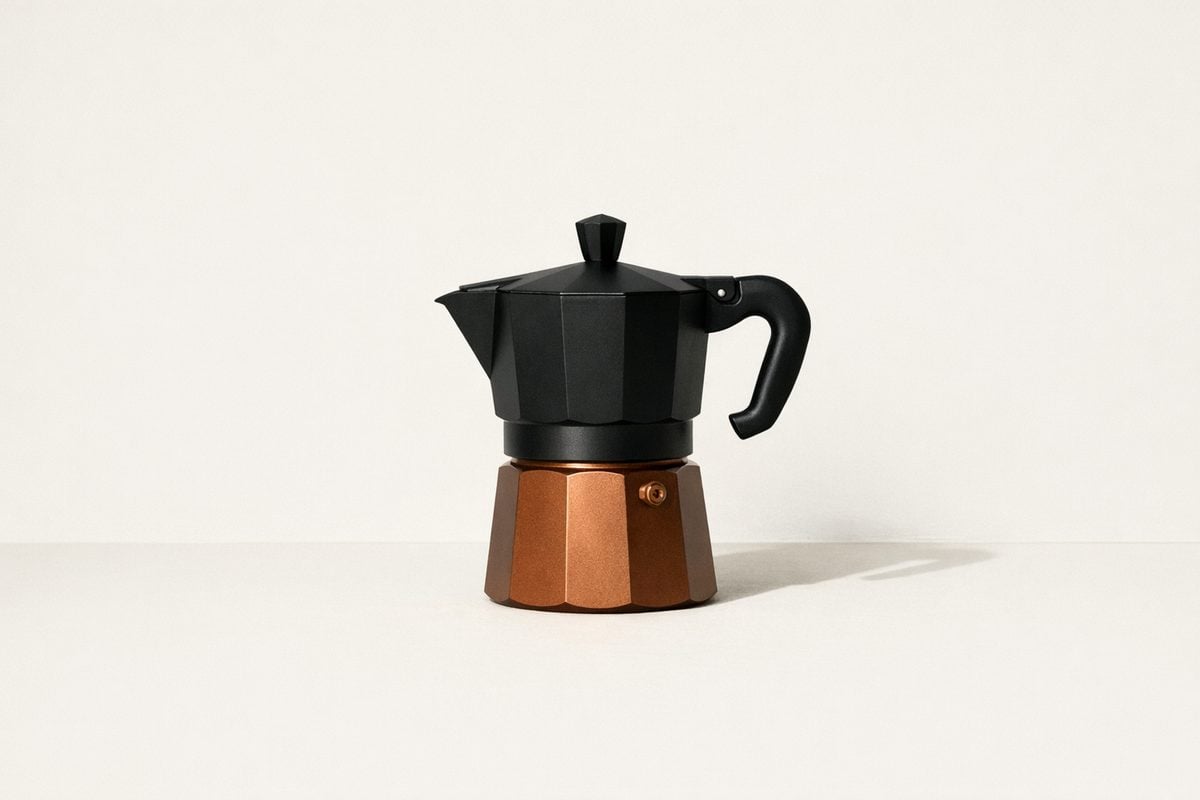
A good moka pot recipe is less about chasing espresso and more about controlling heat, grind, and timing. Get those three right, and a moka pot can make strong, clean coffee with far less bitterness than its reputation suggests.
The common problem is simple. Most moka pots are brewed too hot and too long. That pushes the coffee past rich and into burnt.
What this moka pot recipe is trying to do
A moka pot makes concentrated coffee by using steam pressure to push hot water through coffee grounds. It is often called stovetop espresso, but the result is not true espresso. The pressure is lower, the texture is lighter, and the method is less forgiving.
That said, it can still be excellent.
The goal here is not maximum strength at any cost. The goal is balance. You want enough body to feel dense and full, but enough clarity to avoid harshness. That comes from a medium-fine grind, preheated water, and low heat once brewing begins.
Here is the method.
- Fill the bottom chamber with hot water up to the safety valve, not above it.
- Insert the basket and fill it with coffee. Level it off, but do not tamp.
- Use a medium-fine grind. Finer than drip, coarser than espresso.
- Wipe the rim, assemble the pot firmly, and place it on low to medium-low heat.
- Keep the lid open so you can watch the flow.
- The coffee should begin to stream slowly and evenly, not sputter.
- When the flow turns pale or starts bubbling aggressively, remove the pot from the heat.
- Cool the bottom chamber with a towel or a quick rinse under cold water to stop extraction.
- Stir the brewed coffee in the upper chamber before pouring. This helps even out the stronger early liquid and the lighter later liquid.
This works because it limits the high-heat finish that often causes bitterness.
The key variables
If you want a moka pot without bitterness, these are the parts that matter most.
Grind size
Grind too fine and the brew can choke, sputter, or extract harshly. Grind too coarse and the coffee can taste thin and sour.
The sweet spot is medium-fine. Think between table salt and fine sand, depending on the coffee and the pot size. If the brew runs too fast and tastes weak, go a bit finer. If it tastes bitter or the pot struggles, go a bit coarser.
Water temperature
Starting with hot water helps in two ways. It shortens the time the coffee spends sitting over heat, and it reduces the chance of scorching the grounds before brewing even starts.
Cold water is not wrong, but it gives the pot more time to overheat. If burnt flavor is the issue, hot water is the cleaner fix.
Heat level
This is where most moka pots go off track.
High heat forces the brew. The coffee rushes out, sputters, and finishes harsh. Lower heat gives a slower, steadier extraction. You want a controlled stream, not a violent gurgle.
If the moka pot starts sounding aggressive, it is already too hot.
Fill and tamp
Fill the basket fully and level it. Do not press the grounds down. Tamping creates too much resistance for this brewer and makes extraction less predictable.
The moka pot works best when the coffee bed is even but loose.
Who this method is for
This moka pot recipe is for anyone who wants concentrated coffee at home without a machine. It makes sense if you like a small, strong cup, milk drinks, or coffee with more weight than filter brewing.
It also suits people who want a repeatable stovetop method. Once grind and heat are dialed in, the routine is simple.
If you already own a moka pot and the coffee tastes burnt, this is likely the adjustment you need. In most cases, the issue is not the brewer. It is too much heat, too fine a grind, or letting the pot run too long.
Who this method is not for
A moka pot is not the right tool if you want true espresso. It does not produce the same pressure, crema, or texture.
It is also not ideal if you want a very clean, delicate cup. Even when done well, moka pot coffee leans heavy and concentrated.
And if you want a completely hands-off brew, this method asks for some attention. You need to watch the flow and pull it from the heat at the right time.
How to use moka pot well in real life
The appeal of the moka pot is practical. It is compact, durable, and does not need much gear. But it rewards small adjustments more than people expect.
A few habits help.
Use fresh coffee, but not an espresso-only grind unless it clearly works in your pot. Keep the rubber gasket and filter clean. Match the pot to the burner size so the flame does not wrap around the sides. And brew only the amount the basket is designed for. Moka pots tend to work best when used as intended, not half-filled or improvised.
If the coffee is too intense, dilute it slightly with hot water after brewing. That is often better than under-extracting it in the pot.
A practical pick
One piece of gear that fits this topic well:
Bialetti Moka Pot
The classic stovetop brewer for strong, espresso-style coffee. One size for one or two cups, built to last.
Common mistakes
Using too much heat
This is the main one. It creates speed, noise, and bitterness. Lower heat is slower, but the cup is better.
Grinding like espresso
Very fine espresso grinds can make moka pots stall or brew unevenly. Start a touch coarser than you think.
Tamping the coffee
This increases resistance and often makes the brew harsher. Level the grounds and leave them alone.
Letting the pot finish completely
Once the flow turns light and foamy, the useful part of the brew is mostly done. Keeping it on the heat extracts the worst-tasting part.
Ignoring the final stir
The first liquid out is stronger than the last. A quick stir in the top chamber makes the cup more balanced.
The bottom line
A moka pot is not difficult. It is just easy to overdo. If you want a moka pot recipe that tastes strong but not burnt, focus on medium-fine grind, hot water, low heat, and stopping the brew early. That is usually enough to turn a harsh stovetop coffee into something clean, dense, and reliable.
The moka pot has a narrow margin for error, but a very clear payoff. Control the heat. Respect the grind. Stop before it gets angry.